
Tenant Retention Strategies in Baltimore, MD
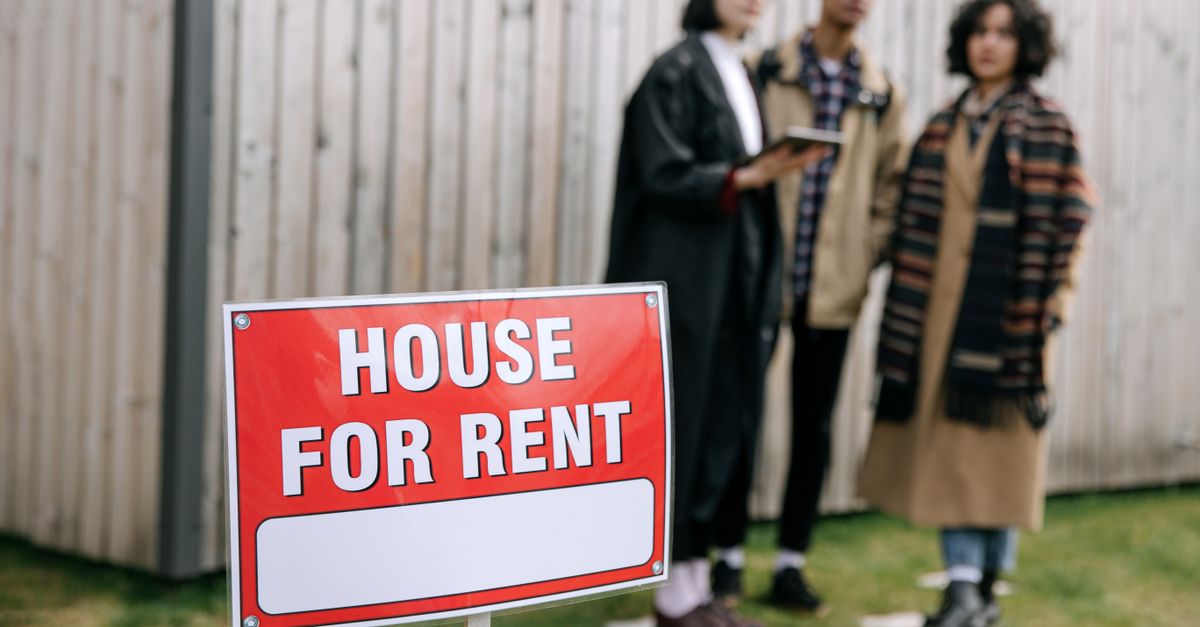
In the competitive Baltimore rental market, keeping tenants for multiple years is both an art and a science. The city’s unique mix of historic neighborhoods, university campuses, and emerging business districts creates high demand but also intense churn if landlords don’t address tenant needs proactively. Below I break down how a property manager can implement proven retention tactics tailored to Baltimore’s real‑estate climate.
Understanding Tenant Retention in the Baltimore Market
Baltimore’s rental landscape is shaped by three core forces: population growth, housing supply constraints, and seasonal weather swings. Each factor influences tenant expectations and move‑in/move‑out timing.
Local Factors That Drive Churn
- High demand near Johns Hopkins and the Inner Harbor pushes prices up quickly.
- Limited new construction means many landlords rely on older buildings, which can feel stale if not updated.
- Baltimore’s humid summers and snowy winters create maintenance headaches that tenants notice.
- University students cycle yearly; their landlords need flexible lease terms to avoid vacancy gaps.
- Local zoning changes sometimes require upgrades or re‑certifications, adding hidden costs for owners.
Why these forces matter: A tenant who experiences a leaking roof during the first winter of residency is less likely to renew. Conversely, a property that proactively addresses seasonal risks can turn a one‑year stay into a multi‑year relationship. Understanding this dynamic allows you to anticipate needs and allocate resources where they will yield the highest retention payoff.
Key takeaway: Retention starts with anticipating these market forces and aligning your property’s value proposition accordingly.Key Components of Effective Property Management for Retention
A robust property manager turns routine maintenance into a retention engine. The following pillars are essential:
1. Responsive Maintenance
Fixing plumbing leaks or HVAC issues within 24 hours signals to tenants that their comfort matters.
Practical tip: Implement an automated ticket system where tenants can log requests and receive real‑time status updates. This transparency reduces frustration and builds trust.
2. Transparent Communication
Regular updates via email or an app keep tenants informed about upcoming repairs or policy changes.
Best practice: Publish a monthly newsletter that highlights scheduled maintenance, community news, and any policy adjustments. A clear communication cadence reassures tenants that they’re not being left in the dark.
3. Competitive Rent Structures
Offering a small rent‑credit for referrals or early payment boosts loyalty.
Example: A 5% discount on the first month’s rent for tenants who refer a friend can encourage word‑of‑mouth marketing while fostering a sense of partnership.
4. Community Building Initiatives
Hosting quarterly social events (e.g., pizza nights, game tournaments) builds neighborhood identity.
How to execute: Create a rotating schedule where tenants can vote on event types each quarter. This democratic approach increases engagement and ensures activities align with resident interests.
5. Technology Integration
Online portals for rent payments, maintenance requests, and lease documents reduce friction.
Implementation note: Choose a platform that offers mobile access so tenants can manage their account on the go—a feature increasingly expected by younger renters.
- Maintain a 24‑hour response window for emergencies.
- Send monthly newsletters highlighting upcoming events.
- Provide a small rent credit for tenants who refer new occupants.
- Organize at least one community event per quarter.
- Use a cloud‑based tenant portal that logs all interactions.
6. Tenant Onboarding Experience
The first week in a new home sets the tone for the entire lease. A thoughtful welcome package—containing utility instructions, a map of nearby services, and a small gift such as a keychain—can create immediate goodwill.
Consider scheduling a short walk‑through with each tenant to answer questions and document existing conditions. This not only reduces future disputes but also signals that the landlord values transparency from day one.
Selecting a Local Property Manager in Baltimore
Choosing the right partner is critical. Ask potential managers these questions:
- How long have you been managing properties in Baltimore?
- Can you provide references from current owners and tenants?
- What technology platforms do you use for tenant communication?
- How do you handle emergency maintenance, especially during winter storms?
- What is your fee structure—flat rate, percentage of rent, or hybrid?
- Do you offer lease renewal incentives or move‑in specials?
I’ve worked with several managers in the past. In my experience, those who provide a detailed service agreement and demonstrate real‑time data dashboards deliver the best ROI.
Implementing Tenant Retention Strategies with Your Manager
Once you’ve selected a manager, roll out the retention plan in phases:
Phase 1: Onboarding & Baseline Survey
Gather tenant preferences and pain points through a short questionnaire.
Tip: Include questions about preferred communication channels, desired amenities, and any past maintenance frustrations. This data informs personalized service plans.
Phase 2: Customized Maintenance Schedule
Create a calendar that aligns with Baltimore’s seasonal demands—roof inspections before winter, HVAC checks in spring.
Example: A property manager might schedule bi‑annual gutter cleaning for all units during late summer to prevent water damage when the first snow falls.
Phase 3: Incentive Programs
Offer lease‑renewal bonuses or small rent reductions for long‑term tenants.
How to structure: Provide a tiered incentive where tenants renewing after three years receive a $50 credit, and those renewing after five years get a $100 credit. This creates clear milestones that encourage longevity.
Phase 4: Continuous Feedback Loop
Use quarterly surveys to track satisfaction and adjust tactics as needed.
Actionable step: After each survey, host a brief town‑hall meeting (virtual or in-person) where tenants can discuss results and propose new ideas. This participatory approach signals that their voice directly influences property management decisions.
- Collect baseline data in month one.
- Publish a maintenance calendar by month two.
- Introduce incentives at lease renewal points.
- Analyze survey results every quarter.
Seasonal Property Maintenance and Its Impact on Retention
Baltimore’s weather swings can quickly turn a well‑maintained property into a liability if seasonal tasks are ignored. Here’s a checklist:
- Winter: Clear gutters, inspect roof seams, test sump pumps.
- Spring: Clean HVAC filters, check window seals, inspect plumbing for freeze damage.
- Summer: Inspect exterior paint and trim for peeling; service pool equipment if applicable.
- Fall: Prepare fire extinguishers, clean dryer vents, schedule pest control.
Why it matters: A tenant who experiences a burst pipe during the first winter of residency is less likely to renew. Conversely, a property that proactively addresses seasonal risks can turn a one‑year stay into a multi‑year relationship.
Neglecting any of these steps can lead to tenant complaints or costly repairs—both detrimental to retention.
Measuring Success and Adjusting Tactics
Retention strategies must be quantified. Track these KPIs:
- Average lease renewal rate.
- Tenant satisfaction score from surveys.
- Number of maintenance requests per tenant per month.
- Cost per tenant for repairs and upgrades.
- Churn rate during peak move‑in seasons.
Action plan: Set quarterly targets—e.g., a 5% increase in renewal rates—and review performance against these goals. If the target isn’t met, analyze which component (maintenance response time, incentive value, communication frequency) may be underperforming and adjust accordingly.
I’ve seen owners who review these metrics monthly shift budgets toward preventive maintenance, cutting overall costs by up to 15% while boosting renewals.
Common Pitfalls to Avoid
Even seasoned landlords stumble on these errors:
- Underestimating the cost of seasonal maintenance.
- Failing to communicate lease renewal deadlines clearly.
- Neglecting tenant feedback after move‑in inspections.
- Overcharging for amenities that tenants don’t use.
- Ignoring local zoning or code changes that require upgrades.
By proactively addressing these, you create a smoother experience and stronger loyalty among Baltimore tenants.
What tenant retention tactic has worked best for you in the Baltimore area, and why?In closing, successful tenant retention in Baltimore hinges on anticipating market dynamics, delivering exceptional service, and continuously measuring outcomes. By weaving responsive maintenance, transparent communication, thoughtful incentives, community engagement, and smart technology together, property owners can transform a single‑year lease into a long‑standing partnership that benefits both tenants and landlords alike.


