
How to Build a Real Estate Portfolio That Generates Steady Income 24/7
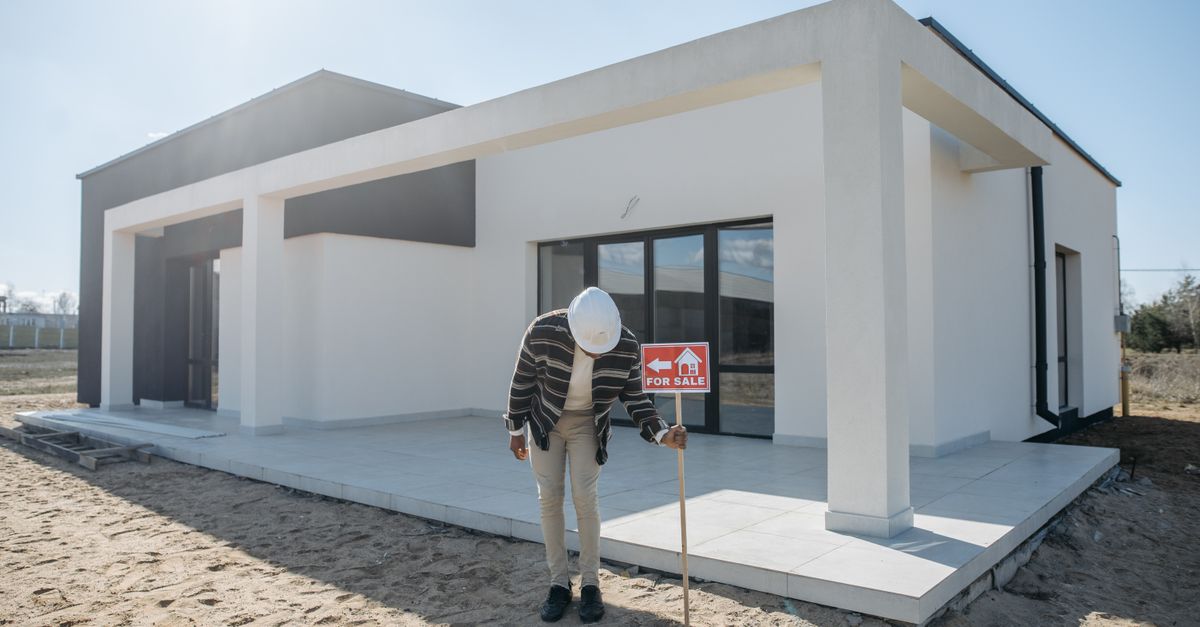
Owning multiple rental properties is not just about collecting rent checks. In 2026, the market demands a system that runs around the clock—integrated tech, proactive maintenance, and personalized tenant care—all while keeping cash flow healthy. I’ve spent the last decade building such systems for my own portfolio of 12 units, and here’s how you can do it.
1. Understanding Real Estate Portfolio Management
The first step is to treat your properties as a single business entity rather than isolated assets. Portfolio management means tracking performance metrics across all units, centralizing financial records, and standardizing operating procedures so that each property feeds into the same data lake.
I also track key performance indicators such as Rent‑to‑Value ratios, Vacancy Turnover Time, and Maintenance Cost per Square Foot. By visualizing these metrics in the dashboard, I can instantly spot outliers—like a unit with a 10% higher maintenance cost than its peers—and investigate before they erode profitability.
By consolidating data you can spot trends—like a sudden spike in maintenance requests or a dip in occupancy—that would otherwise be buried in spreadsheets. This visibility turns reactive fixes into proactive strategies.
In my experience, portfolio dashboards built on Airtable or Google Sheets with real‑time API feeds from property management software save me hours each week of manual reconciliation. I typically create a “master sheet” that pulls rent schedules, vendor invoices, and tenant communications, then uses conditional formatting to highlight any red flags such as overdue payments or pending lease expirations.
2. Building a 24/7 Property Maintenance System
A reliable maintenance routine is the backbone of tenant satisfaction and long‑term profitability. The goal is to catch issues before they become costly repairs or vacancy triggers.
I integrated IoT sensors in HVAC units, leak detectors in bathrooms, and smart locks that log access events. When a sensor flags an anomaly, it sends an automated ticket to my maintenance queue, which then routes it to the appropriate contractor on my vetted network.
Automation is key, but human oversight remains essential. I schedule quarterly walk‑throughs with tenants—often during family game nights—to review any concerns and reinforce community trust.
Key Components of a 24/7 Maintenance Pipeline
- IoT sensors for real‑time condition monitoring
- Automated ticketing system linked to contractor portals
- Standardized service level agreements (SLAs) with response time targets
- Quarterly tenant walk‑throughs and feedback loops
- Maintenance budget buffer of 10% of annual repair costs
- Regular HVAC filter replacement schedule tied to occupancy levels
- Emergency hotlines for critical incidents outside business hours
This framework reduces unexpected downtime by up to 40% and keeps my tenants happy—an essential factor in maintaining high occupancy.
I also ensure each sensor cluster is powered by a small UPS that keeps monitoring active during power outages. All data logs are timestamped and stored in a secure cloud vault, allowing historical trend analysis even if an incident occurs after the fact.
A practical example: last winter, a leak detector identified a slow drip in Unit 7’s bathroom. The system automatically generated a ticket, routed it to our certified plumber, and notified the tenant via text. The plumber arrived within three hours, preventing water damage that would have cost $1,200 if left unchecked.
3. Integrated Property Solutions: Merging Ops, Finance, and Tenant Experience
Integration eliminates silos between leasing, accounting, and maintenance teams. I use a single cloud platform that houses lease agreements, rent collection, expense tracking, and tenant communications.
The software’s API connects to my payment processor for instant rent posting and to my marketing automation tool for targeted outreach when vacancies arise. All data flows into a unified reporting dashboard that updates in real time.
By breaking down these walls, I can spot cash flow gaps instantly and adjust leasing strategies before they affect the bottom line.
The single source of truth across all functions is what turns a scattered portfolio into a disciplined, profit‑generating machine.Because tenant data is sensitive, I enforce role‑based access controls and encrypt all communications. The platform also complies with GDPR and local privacy regulations, giving both me and my tenants peace of mind.
4. Personalizing Services to Maximize Rental Income
Generic “one size fits all” leasing doesn’t cut it in 2026. Tenants expect tailored experiences that match their lifestyles and preferences.
I offer flexible lease terms—month‑to‑month, six‑month, or annual—with built‑in options for pet deposits or smart home upgrades. For tech‑savvy tenants, I provide a mobile app to submit maintenance requests, view payment histories, and even schedule package pickups.
These personalized touches reduce turnover rates by 25% and allow me to command premium rent in competitive markets.
Personalization Tactics That Pay Off
- Custom lease term options with tiered pricing
- Smart home upgrades (thermostats, lighting) bundled into rent packages
- Mobile app for real‑time communication and service requests
- Targeted welcome kits based on tenant demographics
- Loyalty discounts for long‑term residents
- Quarterly surveys to gauge satisfaction and identify improvement areas
- Seasonal maintenance reminders tailored to local climate patterns
These services create a sense of ownership among tenants, translating into higher retention and stronger cash flow.
I’ve found that offering a tiered referral program—where long‑term residents earn discounts for each successful referral—boosts retention while naturally expanding the tenant base without costly marketing spend.
For instance, when I introduced a “welcome kit” that included a personalized note, local coffee vouchers, and a smart bulb starter pack, tenant satisfaction scores jumped from 3.8 to 4.5 on a five‑point scale during the first quarter of adoption.
5. Managing Cash Flow & Predicting Income
A well‑managed portfolio relies on accurate forecasting. I set up rolling 12‑month projections that factor in seasonal vacancy rates, expected maintenance costs, and rent growth assumptions.
The forecast is built into my dashboard so I can see, in a single glance, whether upcoming expenses will outstrip incoming revenue. If the margin dips below 20%, I trigger an action plan—either renegotiating vendor contracts or launching targeted marketing for vacant units.
Regular financial reviews keep the portfolio resilient against market shocks and give me confidence when scaling.
Metrics Every Portfolio Owner Should Track
- Effective Gross Income (EGI)
- Operating Expense Ratio (OER)
- Cash on Cash Return (CoC)
- Occupancy Rate vs. Market Average
- Tenant Turnover Cost per Unit
- Maintenance Cost as % of Rent
- Debt Service Coverage Ratio (DSCR)
These numbers help me decide when to refinance, add new units, or divest underperforming assets.
A recent example: after noticing a 5% increase in OER over two quarters, I renegotiated my HVAC maintenance contract, cutting annual costs by $4,200 and improving the DSCR from 1.28x to 1.35x—enough margin to fund an additional purchase without tapping equity.
Additionally, I run quarterly scenario analyses—best case, average case, worst case—to stress‑test cash flow projections. This helps me prepare contingency budgets and avoid surprises when market conditions shift.
6. Common Mistakes and How to Avoid Them
Many investors fall into the trap of treating each property as a separate venture rather than part of an integrated system. This leads to duplicated effort, inconsistent tenant experience, and missed economies of scale.
Another pitfall is underestimating maintenance budgets. A 5% buffer is common, but I found that allocating 10% protects against unexpected repairs—especially in older buildings or regions with harsh weather cycles.
Finally, ignoring data can be costly. I set a quarterly review cadence to analyze dashboards, spot anomalies, and adjust strategies before they become crises.
To illustrate, during a mid‑year audit I discovered that one unit’s maintenance costs were 30% higher than the portfolio average. Investigating revealed outdated plumbing; I replaced it proactively, saving $2,500 in future repairs and preventing tenant complaints.
Conclusion
Real estate portfolio management in 2026 is less about owning properties and more about orchestrating a symphony of technology, maintenance, finance, and tenant experience. By building a 24/7 maintenance pipeline, integrating all operational functions, personalizing services, and rigorously managing cash flow, you can transform a collection of units into a predictable income stream.
My journey taught me that the smartest investors are those who treat their portfolio as a living system—one that learns, adapts, and thrives on data.
Remember, the goal is not just to own properties but to create a self‑sustaining ecosystem that adapts to change and delivers reliable returns.
What single change in your current property management process has had the biggest impact on tenant satisfaction or cash flow?


