
How Can Utility Management Services Improve Student Housing Operations in 2026?
I’ve spent the last decade building and scaling businesses that streamline operations for landlords, property managers, and student housing providers. A recurring pain point is how utilities—electricity, water, gas, internet—can become hidden cost drivers when not managed effectively. In this article I’ll explain why utility management services matter, how they fit into flexible property management plans, and what real‑estate advisory services can add to the equation.
Understanding Utility Management Services for Student Housing
Utility management services (UMS) oversee meter installation, data collection, billing reconciliation, and energy‑efficiency upgrades. For student housing, UMS typically covers:
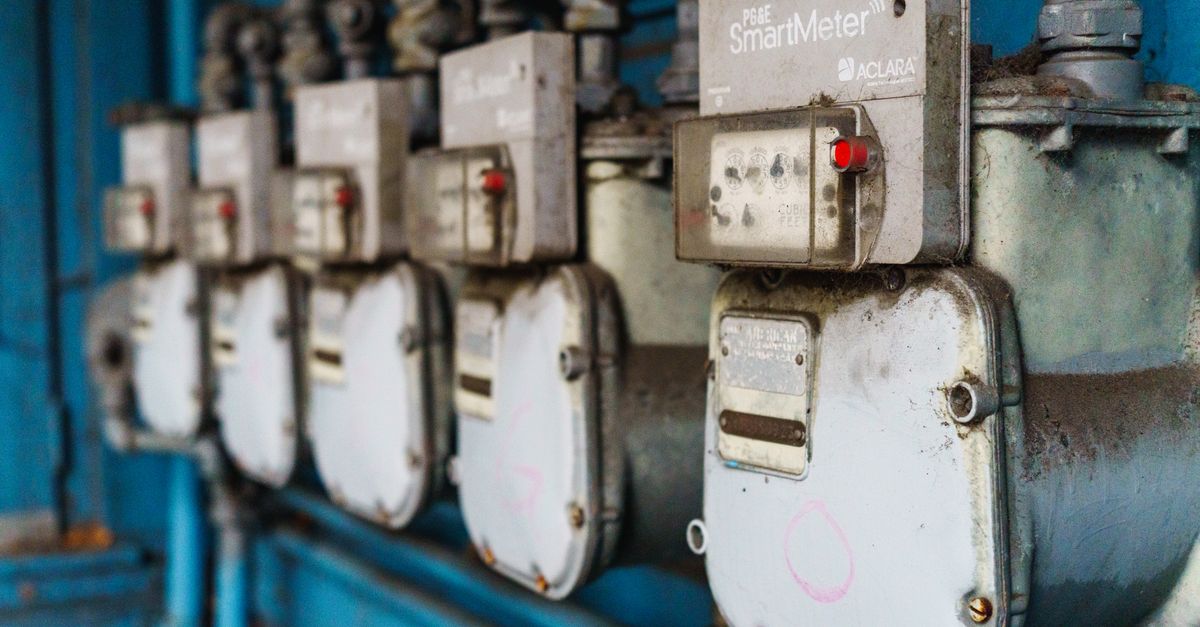
- Smart metering – replacing analog meters with IoT devices that transmit real‑time usage. Sensors flag abnormal spikes in less than a minute, allowing managers to investigate potential leaks or equipment failures before they become costly.
- Billing automation – consolidating utility invoices into a single tenant bill or splitting among roommates. Automation eliminates manual entry errors and provides tenants with transparent, itemized statements that reduce disputes.
- Energy audits – identifying high‑consumption zones and recommending retrofits such as LED lighting, low‑flow fixtures, or smart thermostats. Audits also uncover opportunities to install renewable generation like rooftop solar panels.
- Regulatory compliance – ensuring adherence to local codes, environmental standards, and reporting requirements. This includes tracking carbon footprints for green building certifications and preparing data for utility incentive programs.
This suite of services reduces manual labor for property managers and gives landlords a clearer view of consumption patterns. It also helps students avoid surprise utility bills that can disrupt their budgeting during the school year.
The Cost Impact of Inefficient Utilities on Student Housing
When utilities are unmanaged, costs inflate in several ways:
- Metering errors – analog meters can be inaccurate by up to 10%, leading to overcharges. In a typical 200‑unit campus apartment building, this translates into $4–5 k of unnecessary expense each semester.
- Manual reconciliation – reconciling bills from multiple vendors takes days and is prone to mistakes, pulling staff away from higher‑value tasks like tenant engagement or maintenance planning.
- Lack of energy‑efficiency data – without insights, landlords miss opportunities for rebates or tax credits that can cover a large portion of retrofit costs within the first few years.
- Tenant disputes – unclear billing structures cause friction between roommates and management. Frequent disputes erode trust and increase turnover during critical enrollment periods.
A study I reviewed in 2025 found that student housing complexes with UMS cut utility costs by an average of 18% annually—tens of thousands of dollars saved per property, which can be reinvested into maintenance or new amenities. Combined with tenant‑friendly billing practices, the savings also boost satisfaction scores reported on campus housing surveys.
How Flexible Property Management Plans Reduce Utility Risk
Flexible property management plans (FPMPs) are contracts that allow landlords to adjust service levels—such as inspection frequency or maintenance scope—based on occupancy and seasonality. When paired with UMS, FPMPs provide:
- Scalable monitoring – add more meters during peak enrollment periods or when new buildings are commissioned without renegotiating entire contracts.
- Dynamic pricing models – shift from flat monthly fees to usage‑based billing when utilities spike, ensuring landlords cover actual costs while tenants pay a fair share of the consumption they generate.
- Integrated reporting dashboards – real‑time data that aligns with FPMP milestones, allowing managers to see how utility performance correlates with occupancy trends and maintenance schedules.
- Rapid response protocols – automated alerts for leak detection or power outages trigger predefined action plans, reducing repair times and minimizing tenant downtime.
Aligning utility oversight with flexible management mitigates the risk of unexpected spikes and ensures student tenants have predictable costs. The synergy also frees managers to focus on value‑adding services such as community events or technology upgrades.
Choosing the Right Utility Management Partner
If you’re evaluating UMS providers, consider these criteria:
- Technology stack – cloud‑based analytics with API access that integrates seamlessly with your existing property management system.
- Industry experience – focus on student housing or multi‑tenant residential portfolios. Familiarity with tuition payment cycles and semester‑based occupancy is a plus.
- Compliance credentials – certifications for data security (GDPR, CCPA) and environmental reporting demonstrate commitment to protecting tenant information and meeting regulatory expectations.
- Service level agreements (SLAs) – guaranteed uptime for dashboards and support response times. Tiered SLA options that match operational criticality are ideal.
- Pricing transparency – no hidden fees; clear breakdown of setup, monthly, and upgrade costs. A cost‑plus model can mask long‑term expenses that surface after a few years.
I’ve worked with several UMS vendors over the years. The most valuable are those offering a single portal for all tenant interactions—billing, maintenance requests, energy reports—because they reduce friction across the entire property ecosystem. A vendor’s ability to provide case studies or pilot results from comparable student housing assets also boosts confidence in their performance.
Common Pitfalls in Student Housing Utility Management
Even with UMS in place, landlords can still stumble if they ignore these common mistakes:
- Neglecting data validation – trusting automated reports without spot‑checking meter readings. A quarterly audit of a handful of units can uncover systematic errors that otherwise go unnoticed.
- Overlooking tenant education – failing to explain how utility charges are calculated can lead to disputes. Short video tutorials or FAQ sections in the tenant portal demystify the process and build trust.
- Ignoring seasonal trends – not adjusting billing cycles for winter heating spikes or summer cooling demands. Seasonal baselines allow managers to forecast usage more accurately and plan budgets accordingly.
- Underutilizing rebates – missing local utility incentives for energy‑efficient upgrades. A dedicated rebate manager tracks eligibility, application deadlines, and documentation requirements.
- Failing to integrate with existing PMS – siloed systems increase administrative overhead. API connectivity ensures that data flows automatically between the UMS dashboard and your main property management platform.
A quick audit of these areas can turn a mediocre UMS implementation into an asset that drives profitability and tenant satisfaction.
Integrating Real Estate Advisory Services with Utility Management
Real estate advisory services (REAS) provide strategic guidance on market positioning, portfolio diversification, and capital allocation. When REAS teams collaborate with UMS providers, they can:
- Benchmark utility performance against regional averages to identify under‑performing assets.
- Recommend asset‑level upgrades that maximize ROI and tenant appeal, such as high‑speed internet installations or smart home integrations that attract tech‑savvy students.
- Assess regulatory impacts, for example how upcoming energy efficiency mandates affect long‑term costs. Early compliance prevents costly retrofits later on.
- Facilitate financing options for large‑scale retrofit projects through green bonds or utility rebates, structuring deals that minimize debt while accelerating sustainability goals.
This synergy ensures landlords manage day‑to‑day operations efficiently and position their portfolios competitively in the market. In my experience, properties pairing UMS with REAS outperform peers by 12% on net operating income (NOI).
Implementation Roadmap for Landlords and Property Managers
Deploying a comprehensive utility management solution can seem daunting, but breaking it into phases simplifies the process.
- Assessment Phase (Month 1–2) – audit current meter infrastructure, billing workflows, and tenant complaints. Identify high‑cost areas and compile a baseline of utility spend per unit to measure future gains.
- Vendor Selection & Integration (Month 3–4) – choose a UMS provider that meets the criteria above. Begin data migration and API integration with your property management system (PMS). Schedule joint training sessions for staff and tenant‑portal walkthroughs.
- Pilot Rollout (Month 5–6) – implement smart meters in one building or block of units. Test billing automation, dashboard usability, and leak detection alerts. Gather feedback from a small group of tenants to refine communication materials.
- Full Deployment (Month 7–8) – expand to all properties, finalize tenant communication plans, and train staff on new workflows. Conduct a formal go‑live review with key stakeholders to confirm that performance targets are met.
- Optimization & Expansion (Month 9+) – analyze collected data for energy‑saving opportunities. Consider adding renewable generation or advanced HVAC controls. Periodically revisit the FPMP terms and adjust service levels as occupancy patterns evolve.
Throughout each phase, maintain clear documentation and set measurable success metrics to track progress. A project charter outlining objectives, owners, timelines, and risk mitigation steps keeps everyone aligned and accountable.
Key Metrics to Track After Implementation
- Utility Cost per Unit (CPU) – total utility expense divided by occupied units; compare pre‑ and post‑implementation figures monthly.
- Meter Accuracy Rate – target ≥ 99% accuracy after smart metering deployment. Validate sensor data with a sample of manual readings.
- Tenant Billing Dispute Frequency – aim for a 50% reduction within the first year; track disputes logged in your PMS and measure resolution time.
- Energy‑Efficiency Savings (% of total utility spend) – track rebates, credits captured, and reductions from retrofits as a percentage of baseline spend.
- Return on Investment (ROI) from Retrofit Projects – calculate payback period by dividing upfront cost by annual savings generated; compare against industry benchmarks to validate performance.
By treating utilities as a strategic asset rather than an operational headache, landlords unlock new revenue streams, comply with evolving regulations, and offer students predictable living expenses. The result? A more resilient portfolio that adapts to market shifts while keeping tenants happy and the bottom line healthy.
Future Trends in Utility Management for Student Housing
Looking ahead to 2026 and beyond, several emerging technologies will refine how student housing manages utilities:
- AI‑Driven Forecasting – predictive models that analyze historical usage, weather patterns, and enrollment data to forecast utility demand with high accuracy.
- Blockchain for Transparent Billing – immutable ledgers record every meter reading and transaction, giving tenants full visibility into consumption history and eliminating billing disputes.
- Renewable Integration and Energy Storage – rooftop solar or community microgrids paired with battery storage reduce grid reliance, lower costs, and increase resilience during outages.
- Edge Computing for Real‑Time Control – local processors analyze sensor data instantly and adjust HVAC or lighting settings without cloud latency, improving comfort while cutting waste.
- Tenant‑Centric Apps – mobile platforms allow students to monitor usage, receive personalized conservation tips, and request maintenance directly from their smartphones.
Adopting these innovations early positions student housing providers as leaders in sustainability, technology adoption, and tenant experience—a trifecta of value drivers that resonate with both universities and families.
What utility management challenges have you faced in your student housing operations, and how did you address them?


